
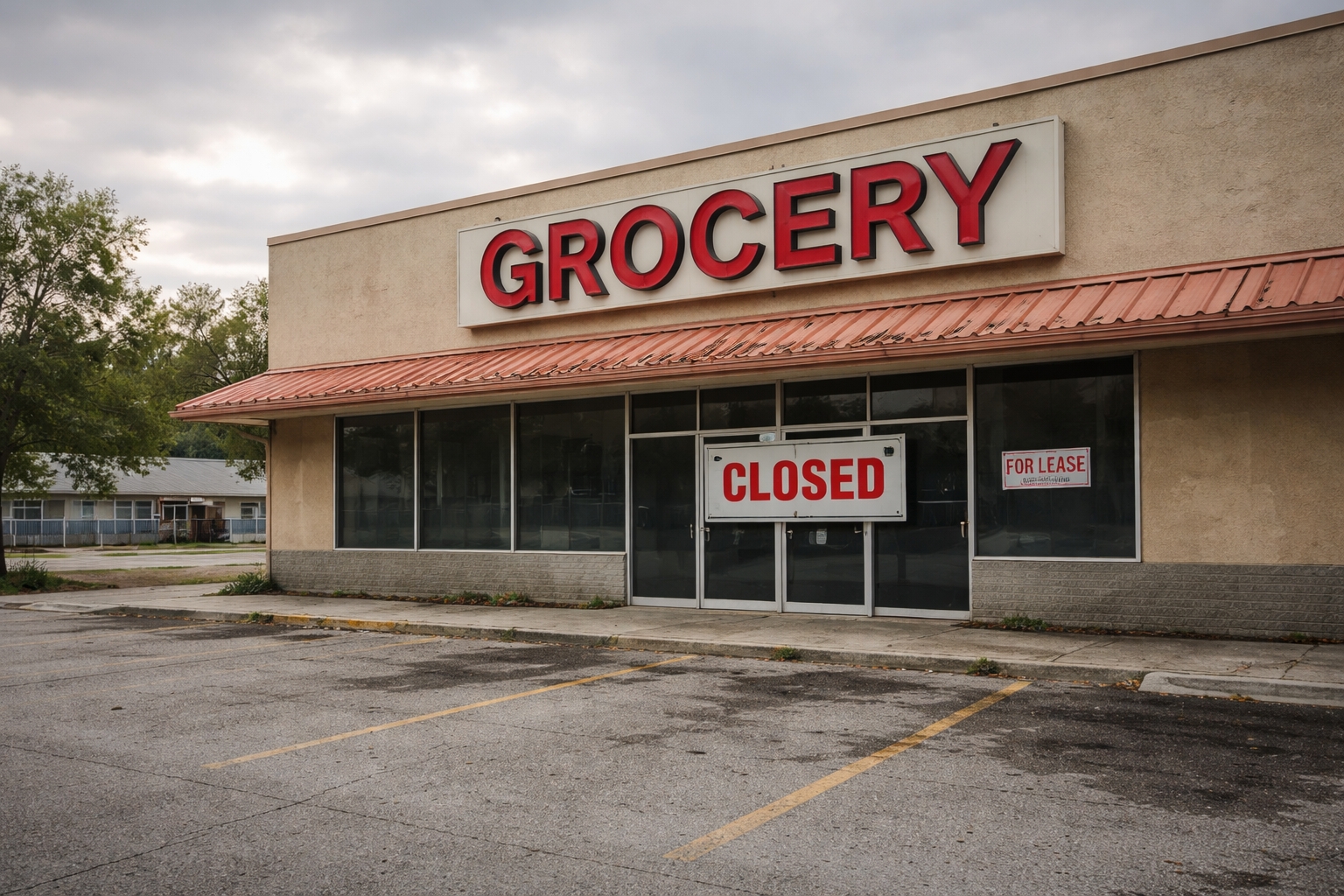
Access to healthy, affordable food is a basic requirement for any community to thrive. Yet for millions of people across the United States, getting to a full grocery store is not simple. It can mean miles of travel, limited public transportation, higher food prices, and fewer nutritious options. These areas are known as food deserts. They exist in large cities, small towns, farmworker communities, and rural regions.
The recent closure of the only major supermarket in Immokalee, Florida brings this issue into sharp focus. When a single store shuts its doors, a community can lose more than a shopping option. It loses a lifeline. The situation unfolding in Immokalee is an example of what food deserts look like close to home and why organizations like Meals of Hope play a critical role in filling the gap.
What Is a Food Desert and Why It Matters
A food desert is a community where residents have limited access to a full-service grocery store that sells fresh produce, protein, dairy, and other basic staples. Distance plays a major role. Households without a car are especially vulnerable when the closest grocery store is many miles away. Smaller convenience stores or corner markets may carry food, but often at higher prices and with fewer fresh items.
The impact reaches far beyond inconvenience. Studies have shown that a lack of access to nutritious food contributes to higher rates of diet-related illness, including diabetes and heart disease. Limited food access also increases the financial strain on households already managing rising costs for rent, transportation, and healthcare.
When families are forced to buy food at smaller stores with higher prices, their budgets stretch even further. This ripple effect can destabilize entire neighborhoods.
Food deserts are not rare. National research shows that millions of Americans live in communities where securing healthy food requires long travel or paying significantly more for basic items. For people working multiple jobs, caring for children, or managing unreliable transportation, accessing a grocery store becomes a daily challenge.
A Closer Look: Immokalee, Florida
Immokalee, a farmworker community in Collier County, has lived this reality for years. In October 2025, that reality became even more stark. Winn-Dixie, the community’s only full grocery store, closed its doors. The closure left thousands of residents without a reliable local place to buy fresh food.
Local reporting describes the deep concern felt across the community. Without a full grocery store, many residents now rely on small bodegas or convenience stores. Prices are higher and fresh items are limited. A dozen eggs can cost several times more than the price available in larger supermarkets outside the area. Many families, already managing tight budgets, simply cannot afford this shift.
Transportation adds another layer. For some, the closest supermarket is now many miles away. Residents may need to take multiple bus rides to reach larger stores. Buses may not run frequently enough to make the trip practical. Parents with small children face added difficulty carrying multiple bags of groceries on long bus routes.
While a new store may eventually open, the timeline is unclear. In the meantime, Immokalee has become a food desert in a very real sense. The closure of one store created a community-wide disruption, and local organizations must now find ways to bridge the gap.
How Meals of Hope Is Responding
This is the type of challenge Meals of Hope is built to address. The organization recently opened a new 18,000-square-foot distribution center in Naples with approximately 9,000 square feet of cold storage. This investment in regional infrastructure is already making a measurable difference in how quickly food can reach communities like Immokalee.
The expanded cold storage allows Meals of Hope to bring in truckloads of fresh produce, dairy, and frozen protein. This capacity is critical for food deserts. When communities lose access to full grocery stores, they lose access to the foods that require refrigeration. The new facility gives Meals of Hope the ability to keep these foods safe, move them quickly, and distribute them at scale.
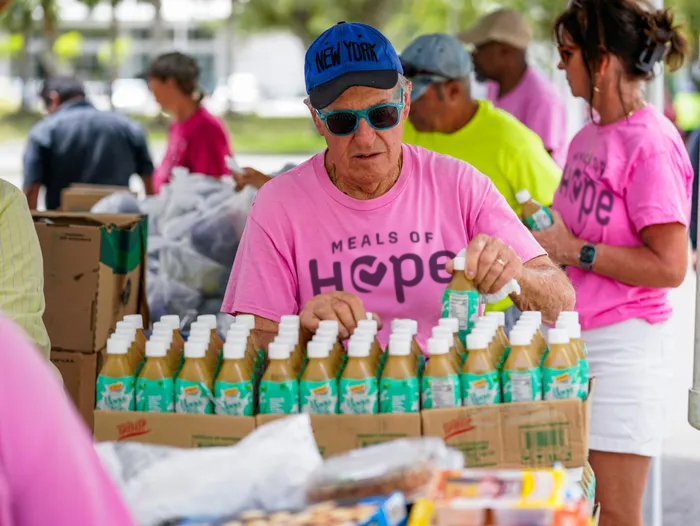
Meals of Hope operates multiple mobile and choice food pantries in Immokalee, including weekly locations that serve hundreds of families. Mobile distribution is especially important in food desert regions because it eliminates transportation barriers. Instead of asking families to travel miles to a full store, Meals of Hope brings food directly into neighborhoods.
Programs include a mix of fresh produce, milk, eggs, frozen meats, and pantry staples. Families receive a consistent supply of food that aligns with healthy meal planning, not just shelf-stable items. With the help of regional partners, Meals of Hope also shares truckload quantities of food with other pantry operators. This helps strengthen the collective response across Southwest Florida.
In periods of heightened need, such as the recent SNAP benefit delays and the rising cost of groceries, the ability to scale quickly becomes even more essential. Meals of Hope uses its cold storage capacity and distribution network to respond immediately. When the Winn-Dixie closed, Meals of Hope increased its support in Immokalee so families did not face the full impact of the food desert overnight.
What You Can Do
Food deserts require community-wide solutions. While infrastructure like new grocery stores takes time, local organizations can respond right now with practical, high-impact support. You can be part of that response.
Volunteer.
Join a mobile pantry distribution or participate in a meal packing event. These events supply thousands of meals at a low cost and provide immediate relief to communities without consistent food access.
Donate.
Funding helps purchase fresh produce, dairy, and protein. These items are the hardest to access in a food desert and have the greatest impact on family health.
Partner.
Businesses, schools, civic groups, and faith communities can host packing events or support mobile pantry operations. Partnerships help sustain the scale needed to serve food desert regions like Immokalee.
Even when a grocery store closes, a community does not need to be left behind. With local support, organizations like Meals of Hope can continue bringing healthy food directly into neighborhoods where access is limited.
Keeping Families Connected to Healthy Food
Food deserts often begin with a single grocery store closure, but the impact reaches across entire communities. Immokalee offers a clear example of what happens when access disappears and how quickly the need intensifies. Families pay more for less food, transportation becomes a barrier, and fresh options become scarce.
Meals of Hope is committed to ensuring that families in Immokalee and across Collier County do not face these challenges alone. By investing in cold storage, expanding mobile pantry outreach, and building strong partnerships, Meals of Hope is helping fill the gap that food deserts create. Community support makes this possible.
Together, we can make sure that no family is left without access to healthy food when the grocery store closes at home.
FAQ: UNDERSTANDING FOOD DESERTS AND COMMUNITY FOOD ACCESS
What is a food desert?
A food desert is a community where residents have limited access to full-service grocery stores that offer fresh, affordable food. Families often rely on smaller stores with higher prices and fewer healthy options.
What causes a food desert?
Food deserts develop when grocery stores close, transportation options are limited, or retailers find it difficult to operate in low-margin or rural areas. Economic conditions and population density also play a role.
How do grocery store closures affect a community?
When a supermarket closes, families pay more for basic groceries, lose access to fresh produce and protein, and often travel long distances to find affordable options. The impact can be immediate and widespread.
Why is Immokalee considered a food desert now?
With the closure of its only full grocery store, Immokalee residents are left with small bodegas and distant supermarkets that require long bus rides. Fresh food is harder to access and significantly more expensive.
How do food deserts impact health?
Limited access to nutritious foods can increase rates of diabetes, heart disease, and other diet-related illnesses. Families often rely on processed or shelf-stable foods when fresh items are unavailable or too expensive.
What foods are most limited in a food desert?
Fresh produce, dairy, meat, and frozen protein are the hardest to access. These items require refrigeration and stable supply chains, which smaller stores may not offer consistently.
What is the difference between a food desert and food insecurity?
A food desert refers to poor access to healthy food due to location. Food insecurity refers to lack of food due to affordability. Many communities experience both at once.
How is Meals of Hope addressing food deserts?
Meals of Hope brings fresh food directly into underserved communities through mobile and choice pantries. The new warehouse and cold storage allow for fast distribution of produce, dairy, and protein.
Why are mobile food pantries effective?
Mobile pantries remove the transportation barrier. They bring healthy food into neighborhoods that have no grocery stores nearby, making access more reliable and consistent.
Can mobile pantries fully replace a grocery store?
Mobile pantries cannot replicate a full supermarket, but they provide essential relief by supplying fresh foods and staples that families cannot easily buy elsewhere.
How can individuals help communities facing food deserts?
You can volunteer at local distributions, host a meal-packing event, or donate to help purchase fresh food. Supporting organizations with strong local presence makes an immediate difference.
How can businesses support food access solutions?
Businesses can sponsor meal-packing events, contribute financially, or organize volunteer groups. Corporate involvement strengthens community outreach and expands the reach of mobile pantry programs.